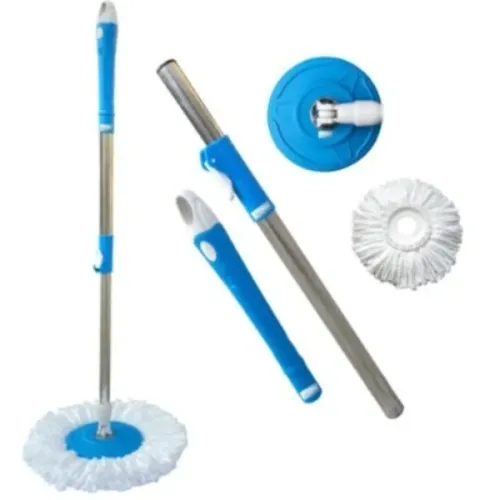


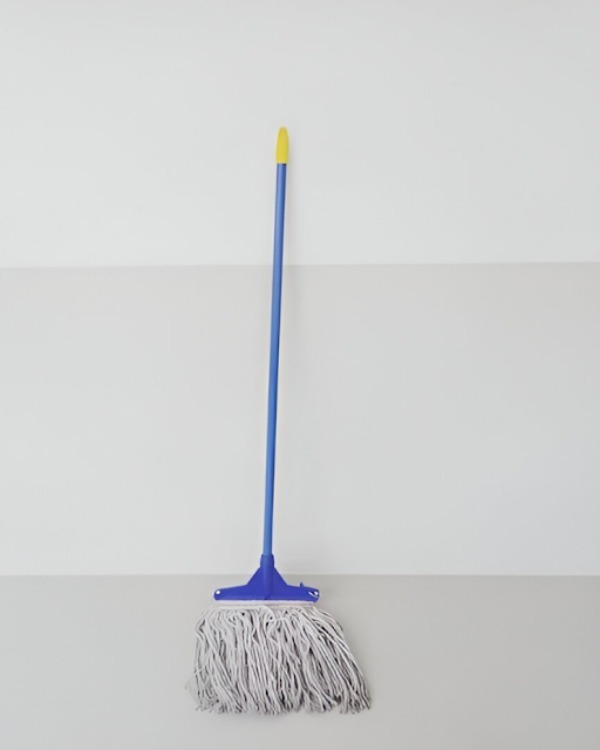
A mop can cover a large area, but that does not always mean it is cleaning well. Sometimes it spreads water more than it absorbs, and the floor looks clean for a moment but does not feel completely fresh.
That difference becomes clearer after a few uses.
Hindustan Broom Company in Delhi looks at how a mop performs over time, especially when it goes through repeated washing and drying. Because a mop is not a one time tool. It is used again and again, and its ability to hold structure matters just as much as its ability to clean.
Absorption is one part of the story. The other is how evenly the mop releases that moisture while cleaning. If it holds too much water, the floor takes longer to dry. If it holds too little, the cleaning becomes less effective. Finding that balance is where the design starts making a difference.
In homes, this shows up as convenience. In commercial spaces, it affects speed and efficiency. A mop that needs constant adjustment or rework slows things down more than expected.
There is also the question of durability. After multiple washes, some mops lose their shape or start shedding fibers. That is when users begin to notice the difference between something made for occasional use and something built for regular cleaning.
Over time, people start choosing tools that stay consistent instead of ones that feel good only in the beginning. Hindustan Broom Company in Delhi works around that expectation, where cleaning tools are judged by how they perform after weeks, not just minutes.