


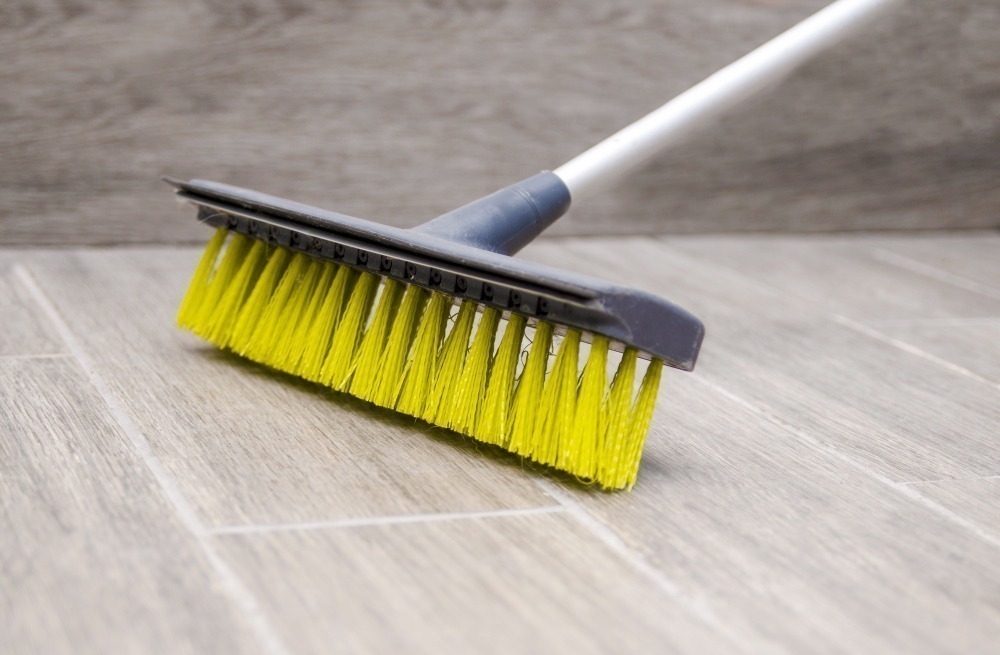
A floor brush is an essential cleaning tool for removing stubborn dirt, dried stains, mud, and grime from surfaces that require more than regular sweeping or mopping. Whether used in homes, commercial kitchens, factories, schools, hospitals, or industrial facilities, the right floor brush makes deep cleaning more efficient and less physically demanding.
With numerous options available in the market, buyers often find it difficult to determine which floor brush is suitable for their specific needs. For retailers, wholesalers, housekeeping suppliers, and institutional buyers in Delhi, understanding the key selection factors helps ensure better cleaning performance and long-term value.
Why Floor Brushes Are Different from Regular Brooms
Unlike brooms that are designed to collect loose dust and debris, floor brushes are made with stronger bristles that can scrub surfaces effectively. They help remove dirt that sticks to floors and are particularly useful in areas exposed to moisture, grease, or heavy foot traffic.
A quality floor brush can help:
- Remove stubborn stains
- Clean textured and rough surfaces
- Improve overall hygiene
- Reduce manual effort during scrubbing
- Withstand regular heavy-duty use
Because of these advantages, floor brushes are widely used in both residential and commercial cleaning routines.
Types of Floor Brushes
Different cleaning tasks require different brush designs. Choosing the correct type improves efficiency and prevents unnecessary wear.
Soft Bristle Floor Brushes
Soft-bristle brushes are suitable for delicate flooring where gentle cleaning is required. They work well on tiles, vinyl, laminate, and polished surfaces without causing scratches.
Medium Bristle Floor Brushes
These brushes provide a balance between gentle and aggressive cleaning. They are commonly used in homes, offices, educational institutions, and retail spaces.
Hard Bristle Floor Brushes
Hard-bristle brushes are designed for demanding cleaning tasks. They effectively remove mud, grease, and stubborn dirt from rough concrete, outdoor pathways, workshops, warehouses, and industrial floors.
Factors to Consider Before Buying
Selecting the right floor brush involves more than choosing the size. Buyers should consider several practical factors.
Bristle Strength
The stiffness of the bristles should match the surface being cleaned. Softer bristles are better for smooth indoor floors, while harder bristles are suitable for rough surfaces.
Handle Design
A comfortable and durable handle provides better grip and reduces strain during extended cleaning sessions.
Brush Width
Larger brushes cover wider areas quickly, while compact brushes are useful for smaller spaces and corners.
Build Quality
Strong construction ensures the brush remains effective even after repeated use in commercial environments.
Where Floor Brushes Are Commonly Used
A floor brush is suitable for many applications, including:
- Residential homes
- Hotels and restaurants
- Hospitals and clinics
- Schools and colleges
- Warehouses
- Manufacturing facilities
- Parking areas
- Commercial kitchens
Each environment has unique cleaning challenges, making it important to choose a brush designed for the intended purpose.
Tips for Bulk Buyers
Businesses purchasing cleaning tools should evaluate:
- Material quality
- Bristle durability
- Comfortable handling
- Product consistency
- Packaging standards
- Reliable supply capability
These factors help reduce replacement frequency and support efficient housekeeping operations.
For wholesalers, distributors, and institutional buyers in Delhi, partnering with an experienced manufacturer can simplify procurement. Hindustan Broom Company manufactures a wide range of floor brushes and other housekeeping products suitable for residential, commercial, and industrial cleaning. Buyers often consider the company's product portfolio while comparing suppliers for long-term sourcing requirements.
Selecting the right floor brush is a practical investment in effective cleaning. By matching the brush to the surface and cleaning task, users can improve efficiency, maintain hygiene, and achieve better results while extending the lifespan of their cleaning tools.